

Early detection is key. The sooner someone is diagnosed, the better their chances of recovery—without any disability or disfigurement.
What Causes Leprosy?
Leprosy is caused by a slow-growing bacteria called Mycobacterium leprae. It mainly affects the skin, nerves, eyes, and lining of the nose.
It is not hereditary.
It spreads mainly through prolonged and close contact, not by casual touch.
It is not highly contagious like the common cold.
Common Symptoms of Leprosy:
Leprosy symptoms develop very slowly—sometimes over several years. That’s why early signs often go unnoticed. Here are the most common symptoms to watch for:
Skin-related Symptoms:
Patches of skin that are lighter than your normal skin tone
Numbness in those patches (no sensation of heat, cold, or touch)
Dry or scaly skin
Loss of eyebrows or eyelashes
Nerve-related Symptoms:
Tingling or burning sensation in hands or feet
Muscle weakness, especially in fingers or toes
Claw-like hands or foot drop in later stages
Other Symptoms:
Frequent nosebleeds or blocked nose
Eye dryness or even blindness in severe cases
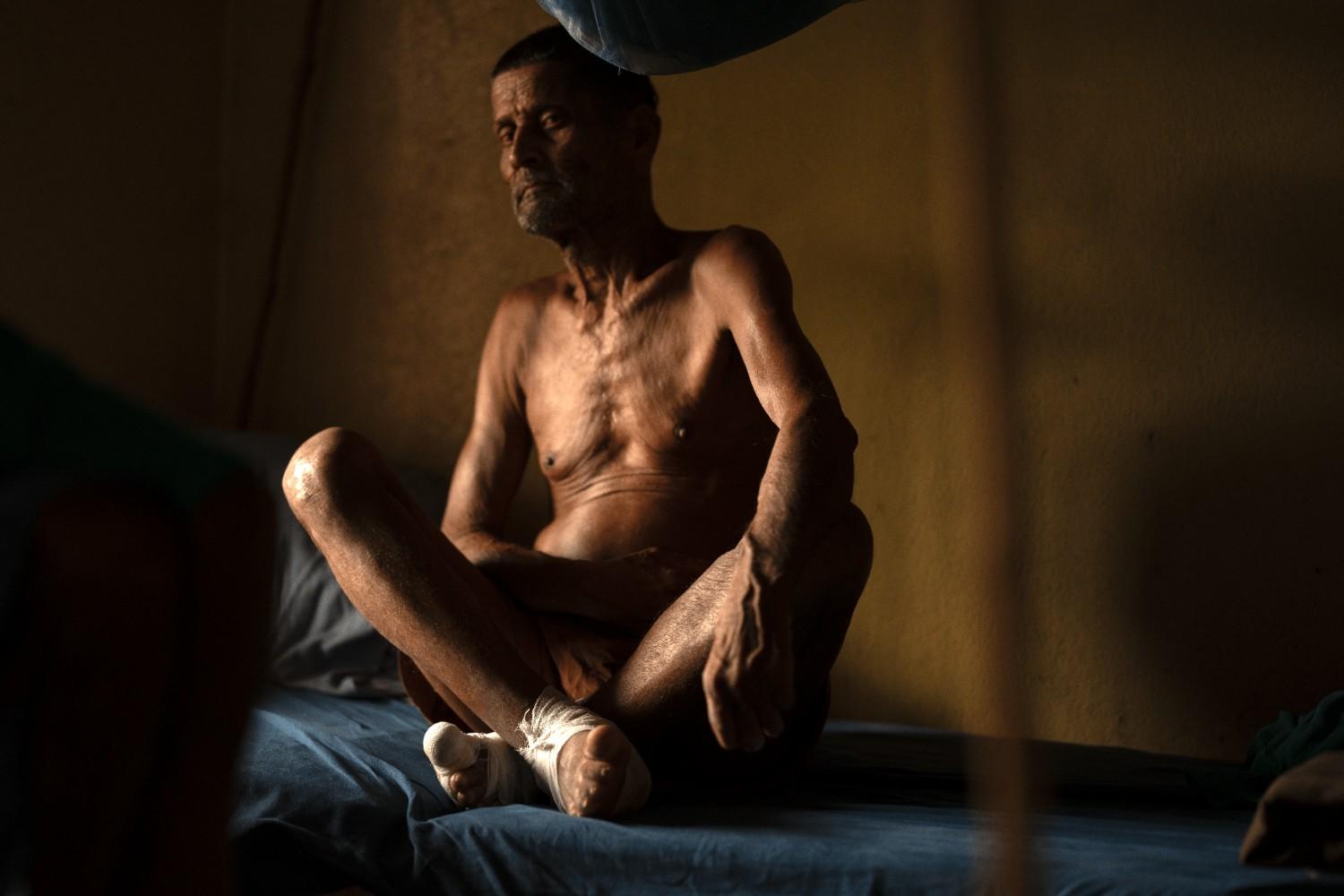
Why Early Diagnosis Is So Important:
If diagnosed early, leprosy can be completely cured without any permanent damage. But if left untreated, it can lead to:
Irreversible nerve damage
Severe disfigurement (hands, feet, face)
Blindness
Social exclusion and poverty
👉 Early diagnosis prevents disability. Early diagnosis prevents stigma.
How Is Leprosy Diagnosed?
Physical examination by a trained doctor
Skin smear test or biopsy
Sensation test to detect nerve damage
Many NGOs and government hospitals offer free diagnosis and treatment. Don’t hesitate—get tested if you notice any symptoms.
Real Impact: How Early Treatment Changes Lives
Many people who were diagnosed in time have gone on to live normal, healthy lives. With proper medication (known as MDT—Multi-Drug Therapy), most patients recover completely in 6 to 12 months.
No surgery. No hospitalization. Just timely care.